



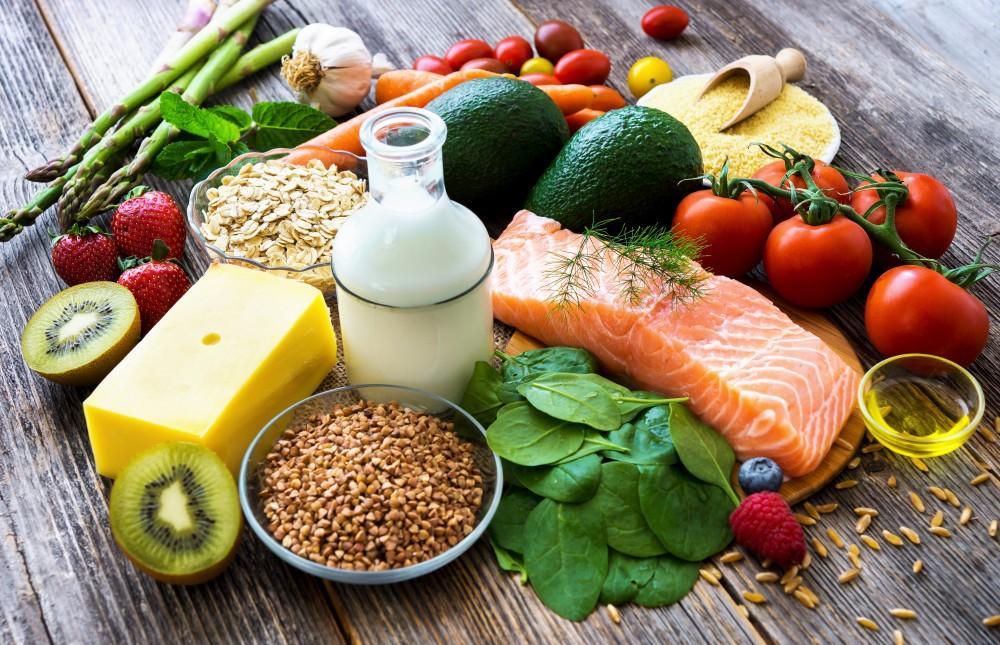
Maintaining proper dental health goes beyond just brushing and flossing; it also involves making wise choices when it comes to your diet. What you eat can have a significant impact on the health of your teeth and gums. In this article, we will explore the top 10 foods that promote dental health, helping you make informed decisions for a healthier smile.
1.Crunchy Fruits and Vegetables:
Fruits and vegetables that are crunchy and high in fiber, such as apples, carrots, and celery, act as natural toothbrushes. The act of chewing these foods helps scrub away plaque and food particles from the surfaces of your teeth. Additionally, their high water content stimulates saliva production, which neutralizes acids and helps rinse away debris. Regularly consuming these foods can reduce the need for frequent visits to dental clinics near you for cleanings.
2.Dairy Products:
Dairy products like milk, cheese, and yogurt are rich in calcium and phosphorus, which are essential minerals for maintaining strong teeth and bones. Calcium helps to strengthen tooth enamel, while phosphorus works alongside calcium to enhance its benefits. Additionally, dairy products contain casein, a type of protein that helps prevent tooth decay by forming a protective layer over the enamel. Including dairy in your diet can contribute to overall dental health and reduce the need for dental clinic visits.
3.Leafy Greens:
Leafy greens such as kale, spinach, and Swiss chard are packed with vitamins and minerals that promote dental health. They are high in calcium, which strengthens teeth, and they also contain folic acid, a type of B vitamin that supports gum health. Incorporating leafy greens into your diet can help fortify your teeth and gums against decay and disease, potentially reducing the frequency of visits to dental clinics.
4.Nuts and Seeds:
Nuts and seeds are excellent sources of essential nutrients for dental health, including calcium, phosphorus, and vitamin D. Almonds, for example, are rich in calcium and protein, which help strengthen tooth enamel and rebuild damaged areas. Sesame seeds are high in calcium and can help scrub away plaque from the surfaces of teeth. Snacking on a handful of nuts or seeds can provide a nutrient boost for your dental health and reduce the need for dental clinic interventions.
5.Lean Protein:
Lean protein sources such as chicken, turkey, fish, and eggs are beneficial for dental health. These foods are rich in phosphorus, which, as mentioned earlier, works alongside calcium to strengthen tooth enamel. Additionally, protein-rich foods contain amino acids that promote tissue repair and regeneration, helping to maintain healthy gums and potentially reducing the frequency of visits to dental clinics.
6.Cranberries:
Cranberries contain compounds called polyphenols, which have been found to inhibit the growth of bacteria associated with gum disease and tooth decay. However, it’s important to consume cranberries in their natural form rather than in sugary processed products like cranberry juice cocktail, which can be detrimental to dental health and may necessitate visits to dental clinics for treatment.
7.Green Tea:
Green tea is known for its numerous health benefits, including its potential to promote dental health. It contains catechins, powerful antioxidants that can help prevent plaque buildup and reduce the risk of cavities and gum disease. Drinking green tea regularly can contribute to a healthier mouth and fresher breath, potentially reducing the need for frequent visits to dental clinics for oral health issues.
8.Sugar-free Gum:
Chewing sugar-free gum after meals can help stimulate saliva production, which aids in neutralizing acids and washing away food particles. Look for gum containing xylitol, a natural sweetener that has been shown to reduce the levels of cavity-causing bacteria in the mouth. However, be mindful not to chew gum excessively, as it can lead to jaw problems. Incorporating sugar-free gum into your routine may reduce the likelihood of needing extensive treatments at dental clinics.
9.Water:
Water is essential for overall health, including dental health. Drinking water throughout the day helps rinse away food debris and dilute acids in the mouth, reducing the risk of tooth decay and gum disease. Opt for fluoridated water when possible, as fluoride helps strengthen tooth enamel and protect against cavities. Adequate hydration can contribute to a healthy mouth and potentially decrease the frequency of visits to dental clinics.
10.Sugar-Free Dairy Desserts:
Indulging in sugar-free dairy desserts like sugar-free yogurt or pudding can satisfy your sweet tooth without harming your teeth. These desserts provide the benefits of dairy products without the added sugars that contribute to tooth decay. Plus, they can be a delicious and nutritious treat for your dental health, potentially reducing the need for treatments at dental clinics.
